Beginner Tips for Composting at Home: Easy Steps to Start Today
Starting a compost bin at home is a rewarding way to reduce waste and create nutrient-rich soil for your garden. Whether you have a large backyard or a small balcony, composting is easier than you might think. This guide offers beginner tips to help you get started with composting at home, turning your kitchen scraps and yard waste into a valuable resource for your plants.
What Is Composting?
Composting is the natural process of recycling organic matter, such as food scraps and yard waste, into a rich soil amendment known as compost. This compost improves soil health, helps retain moisture, and provides essential nutrients to plants. Composting also reduces the amount of waste sent to landfills, benefiting the environment.
Choosing a Composting Method
Before you begin, decide which composting method suits your space and lifestyle:
Backyard Compost Bin
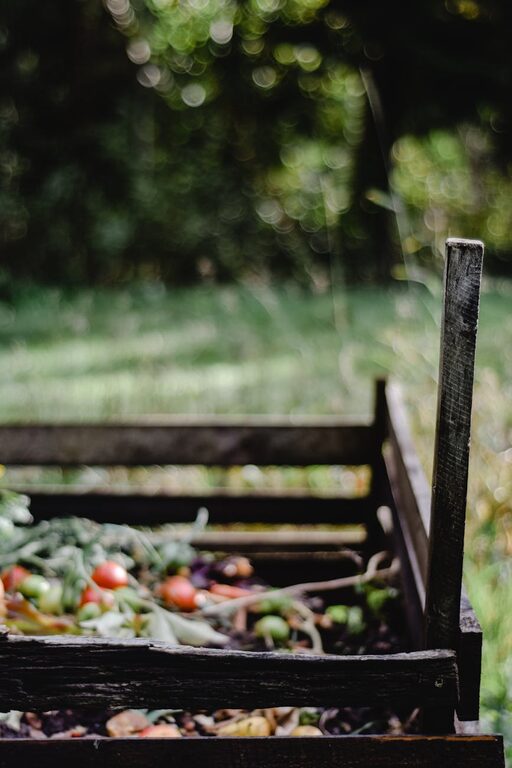
Ideal for those with outdoor space. You can purchase or build a compost bin to contain your materials neatly. It allows for larger volumes and faster composting.
Worm Composting (Vermicomposting)
Great for indoor settings or small spaces. Red wigglers break down food scraps quickly in a worm bin, producing a nutrient-dense cast called worm castings.
Compost Tumbler
A rotating bin that speeds up the composting process. Its design helps mix materials easily and reduces odors.
Pile Composting
Simply piling organic matter in a corner of your yard works but may take longer and requires regular turning for aeration.
What Can You Compost?
Knowing what to add to your compost is key to success. Balance “greens” and “browns” for an effective compost.
Greens (Nitrogen-rich materials)
– Fruit and vegetable scraps
– Coffee grounds and filters
– Tea bags (without synthetic materials)
– Fresh grass clippings
– Plant trimmings
Browns (Carbon-rich materials)
– Dry leaves
– Straw or hay
– Shredded newspaper or cardboard (avoid glossy print)
– Wood chips or sawdust (untreated)
– Eggshells (crushed)
Items to Avoid
– Meat, dairy, and oily foods (attract pests)
– Diseased plants
– Pet waste
– Invasive weeds or plants treated with herbicides
Step-by-Step Guide to Starting Your Compost
1. Select a Suitable Spot
Pick a dry, shaded location with good drainage if using an outdoor bin. For indoor worm bins, place in a space with stable temperatures.
2. Gather Materials
Collect a mix of green and brown materials. Aim for approximately 2 to 3 parts browns to 1 part greens to balance moisture and nutrients.
3. Build Your Pile or Fill Your Bin
Start with a layer of coarse material like twigs or straw to help with drainage and aeration. Alternate layers of greens and browns, breaking up large pieces.
4. Maintain Moisture
Your compost should be about as damp as a wrung-out sponge. If it’s too dry, add water or green materials; if too wet, add more browns.
5. Turn or Mix Regularly
Aerate the compost by turning it with a pitchfork or rotating the tumbler every 1–2 weeks. This speeds decomposition and prevents odors.
6. Monitor Temperature
A healthy compost pile will heat up as microbes break down the materials. This heat helps kill pathogens and weed seeds.
7. Harvest Finished Compost
In a few months to a year, your compost will turn dark, crumbly, and earthy-smelling. Use it to enrich garden beds, potted plants, or lawn areas.
Tips for Success
– Chop or shred materials: Smaller pieces compost faster.
– Avoid overfeeding: Start with small amounts to avoid odors and pests.
– Use a compost thermometer: It helps monitor the internal temperature.
– Cover the pile: Using a tarp or lid retains moisture and heat.
– Keep critters out: Use a bin with a secure lid or mesh base.
Benefits of Composting at Home
– Reduces waste sent to landfills
– Improves soil quality and fertility
– Retains moisture, reducing garden watering needs
– Decreases the need for chemical fertilizers
– Supports a healthy garden ecosystem
Conclusion
Composting at home is a simple, eco-friendly practice that benefits your garden and the environment. By choosing the right method, balancing materials, and maintaining your compost pile, you can create nutrient-rich soil while reducing waste. Start small, be patient, and enjoy the process of turning your kitchen and yard scraps into black gold for your plants.
Happy composting!